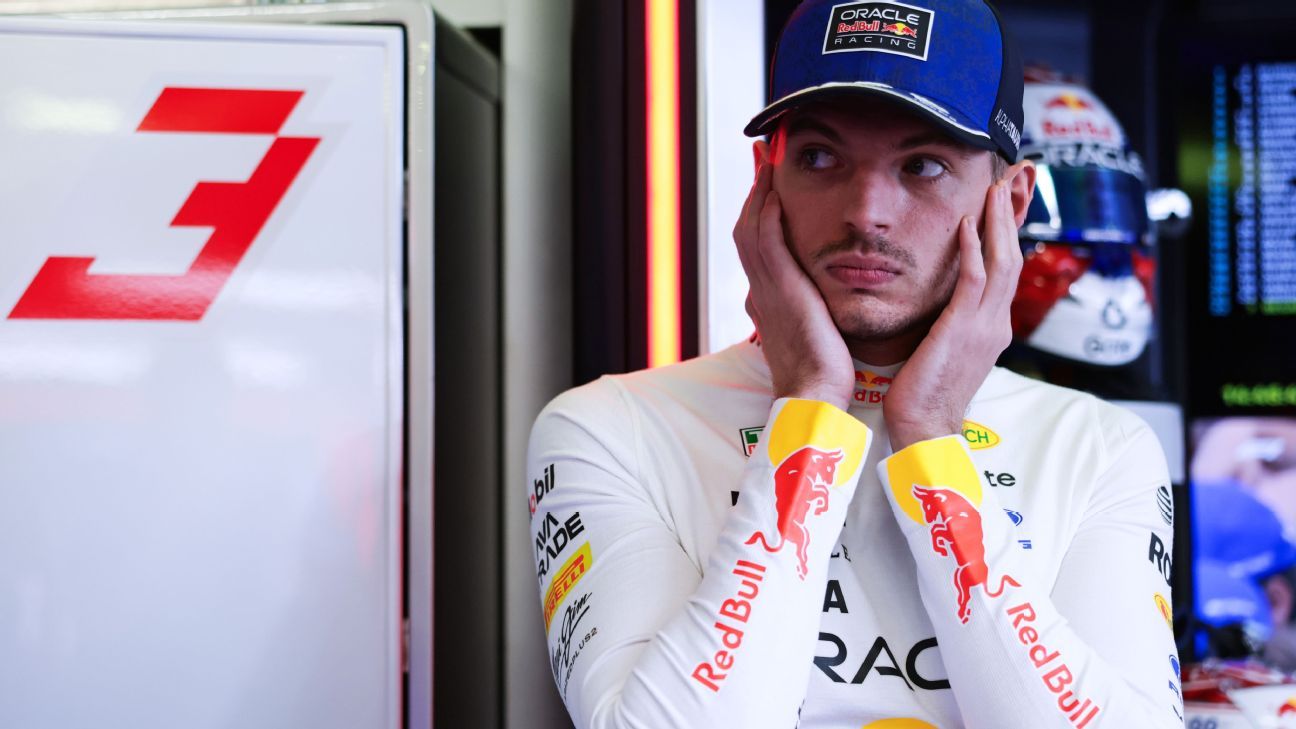
As the 2026 Formula 1 season unfolds, Max Verstappen, the four-time world champion, has been vocal about his dissatisfaction with the new regulations introduced this year. His criticisms have sparked widespread discussion among fans, teams, and officials alike. In this comprehensive review, we examine every complaint raised by Verstappen and analyze whether they are justified or if they stem from other factors.
One of Verstappen's primary concerns revolves around the changes to aerodynamics rules. He argues that the new specifications have reduced downforce levels, making the cars more difficult to handle and potentially compromising safety. Teams have also expressed similar sentiments, noting that the new aerodynamic constraints have limited their ability to optimize performance. However, some experts believe that these adjustments are aimed at promoting closer racing and reducing the 'dirty air' effect, which could lead to more overtaking opportunities.
Another significant point of contention is the revised power unit regulations. Verstappen claims that the new engine specifications have led to reliability issues and increased costs for teams. He suggests that these changes might disadvantage smaller teams and hinder innovation. On the other hand, the FIA and F1 management argue that these regulations are necessary to control costs and improve sustainability within the sport. They emphasize that ongoing development and testing are part of the natural evolution of F1 technology.
Verstappen also criticizes the sporting regulations, particularly the changes to race weekend formats and points systems. He feels that the adjustments have disrupted the traditional flow of races and affected strategic diversity. Some drivers and analysts agree that these modifications can impact race outcomes, but others believe they add a new layer of excitement and unpredictability to the championship.
Furthermore, Verstappen has voiced concerns about the consistency of race officiating and the application of rules. He argues that inconsistent decisions can influence race results unfairly. The FIA has acknowledged these issues and is working on refining the stewarding process to ensure fair and uniform enforcement of regulations.
In our verdict, while Verstappen's criticisms highlight genuine challenges faced by teams and drivers, some concerns may be influenced by his competitive stance. The new regulations aim to balance safety, cost control, and entertainment value, though their implementation inevitably involves trade-offs. Overall, the season has demonstrated that F1 remains a dynamic sport where rule changes can significantly impact performance and strategy. Continued dialogue among stakeholders will be essential to refine these regulations and address ongoing concerns.